What is Building Green?
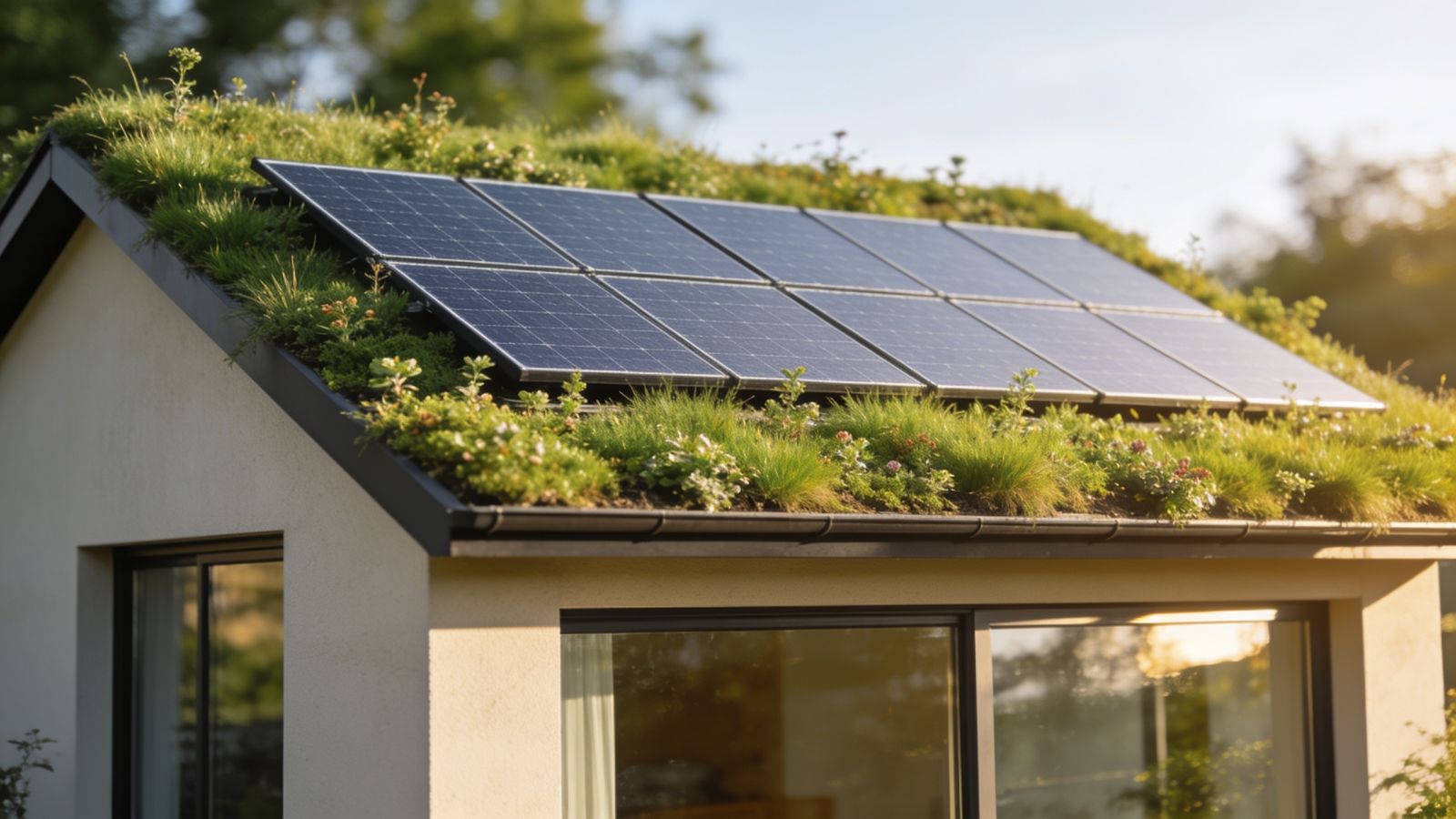
"Green building" gets used loosely enough that it's worth defining plainly: it's an approach to construction and renovation that uses fewer raw materials, reduces waste, and results in a structure that's more energy-efficient to actually live or work in.
That covers a lot of ground in practice — sourcing reclaimed or sustainably harvested lumber instead of virgin timber, specifying low-VOC paints and finishes, designing for natural light and ventilation to cut energy use, and choosing high-efficiency insulation, windows, and HVAC systems.
It also extends to what happens during construction itself: diverting demolition debris from landfills, minimizing water waste on site, and planning a building's footprint to disturb as little of the surrounding land as possible.
Because "green" isn't a legally defined term the way "organic" is, third-party certification programs exist specifically to give the claim some teeth — verifying a project against a defined checklist rather than taking a builder's word for it.
For homeowners, the practical takeaway is that "green" building choices usually pay for themselves twice: once in reduced environmental impact, and again in lower long-term energy bills from a more efficient structure.