Dispelling Myths About Organic Foods
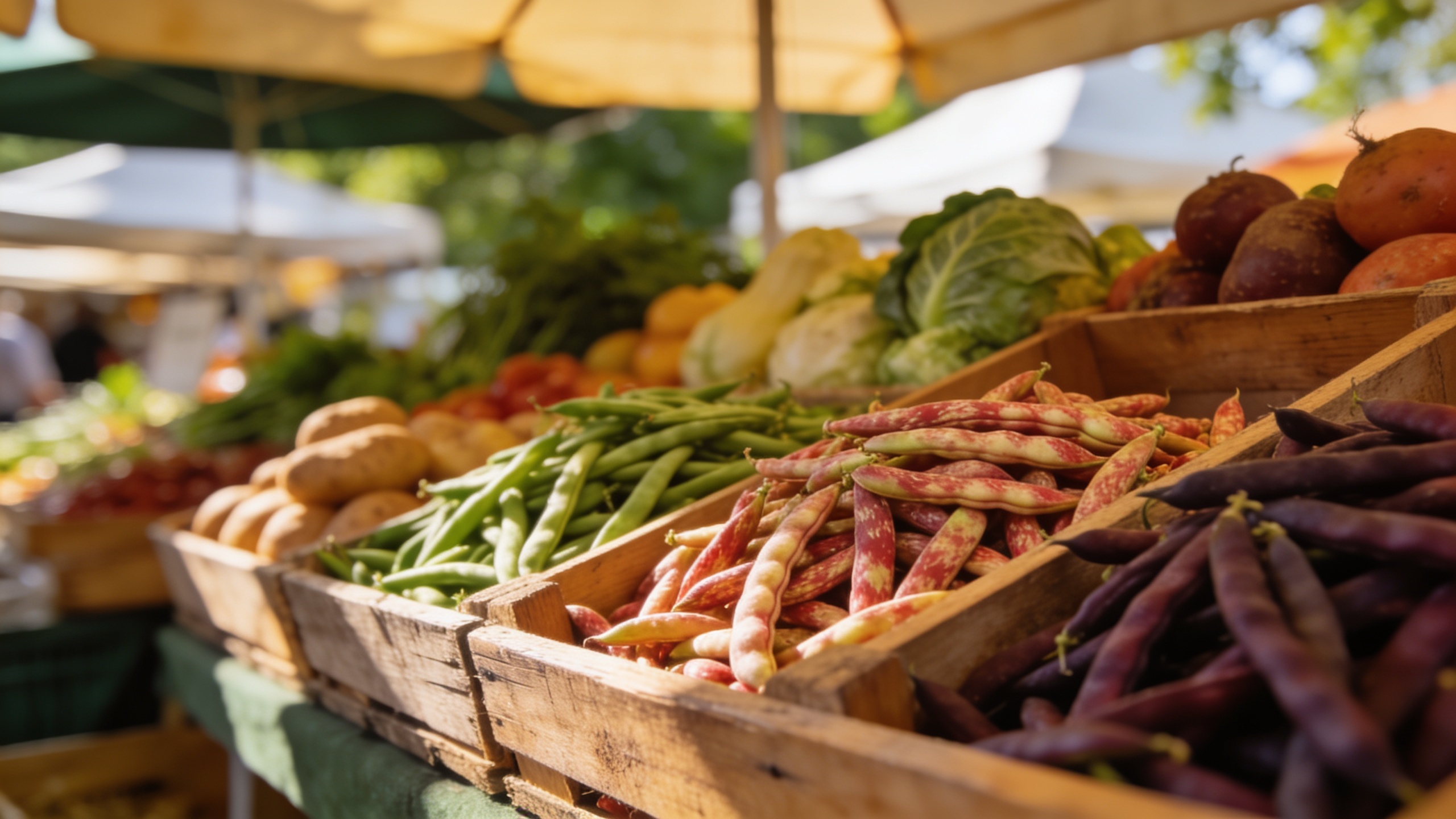
Organic food carries a lot of assumptions that don't hold up under a closer look. A few of the most common:
"Organic means pesticide-free." Not quite — organic standards prohibit synthetic pesticides, but naturally derived pesticides are still permitted under most certification schemes. The distinction is about the source and toxicity profile, not a blanket ban on pest control.
"Organic and non-GMO are the same thing." Organic certification does prohibit genetically modified ingredients, so certified organic food is always non-GMO — but the reverse isn't true. A product can be labeled non-GMO without meeting any of the other organic standards around pesticides, hormones, or processing.
"Organic is always healthier." The evidence here is genuinely mixed and still debated among researchers. What's well documented is the difference in production standards — fewer synthetic inputs, no irradiation — not a guaranteed nutritional edge.
"Organic farming can't feed the world." Yield comparisons vary widely by crop and region, and dismissing organic methods outright ignores the real gains many organic farms make in soil health and long-term productivity.
The honest takeaway: organic is a specific, verifiable set of standards — not a synonym for "better" in every sense. Knowing what the label actually guarantees is more useful than either dismissing it or over-trusting it.