How-to
4 min read
Organic Gardening Tips
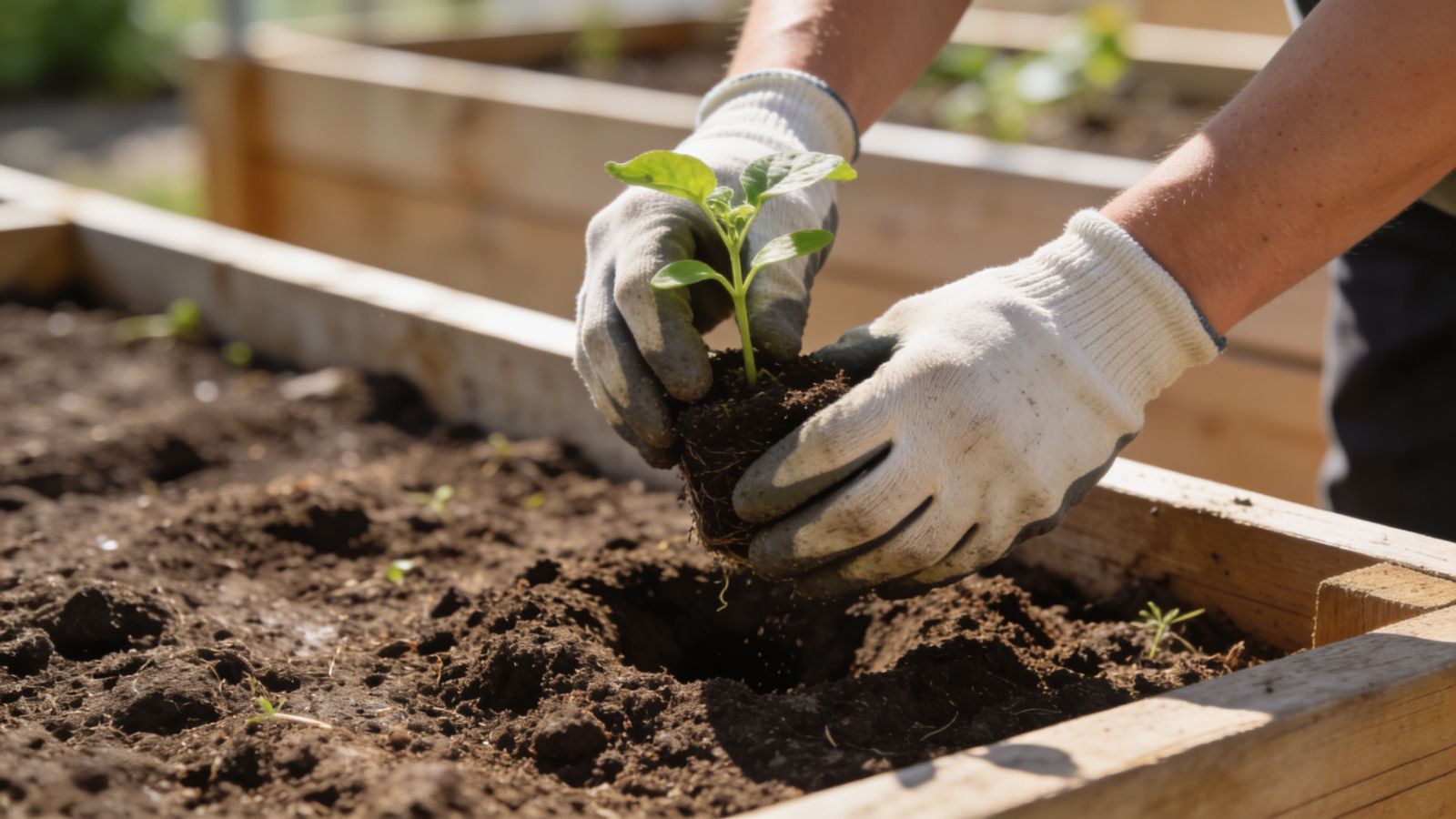
Organic gardening comes down to feeding the soil rather than the plant directly — healthy soil does most of the work for you.
- Build soil with compost, not synthetic fertilizer. A cover crop tilled back into the bed, or a simple compost pile, adds organic matter that feeds soil microbes and earthworms — the organisms that actually make nutrients available to roots.
- Rotate crops each season. Growing the same plant family in the same spot year after year depletes specific nutrients and invites the pests that target that family.
- Companion plant deliberately. Some pairings (like basil near tomatoes) can help deter common pests without a single spray.
- Mulch generously. A layer of straw or shredded leaves suppresses weeds, retains soil moisture, and breaks down into more organic matter over time.
- Water deeply, less often. Frequent shallow watering encourages shallow root systems; deep, infrequent watering builds more resilient plants.
None of this requires special equipment — a shovel, a compost bin, and patience for the soil to build over a season or two are the real inputs.