Organic Research and Harmful Pesticides
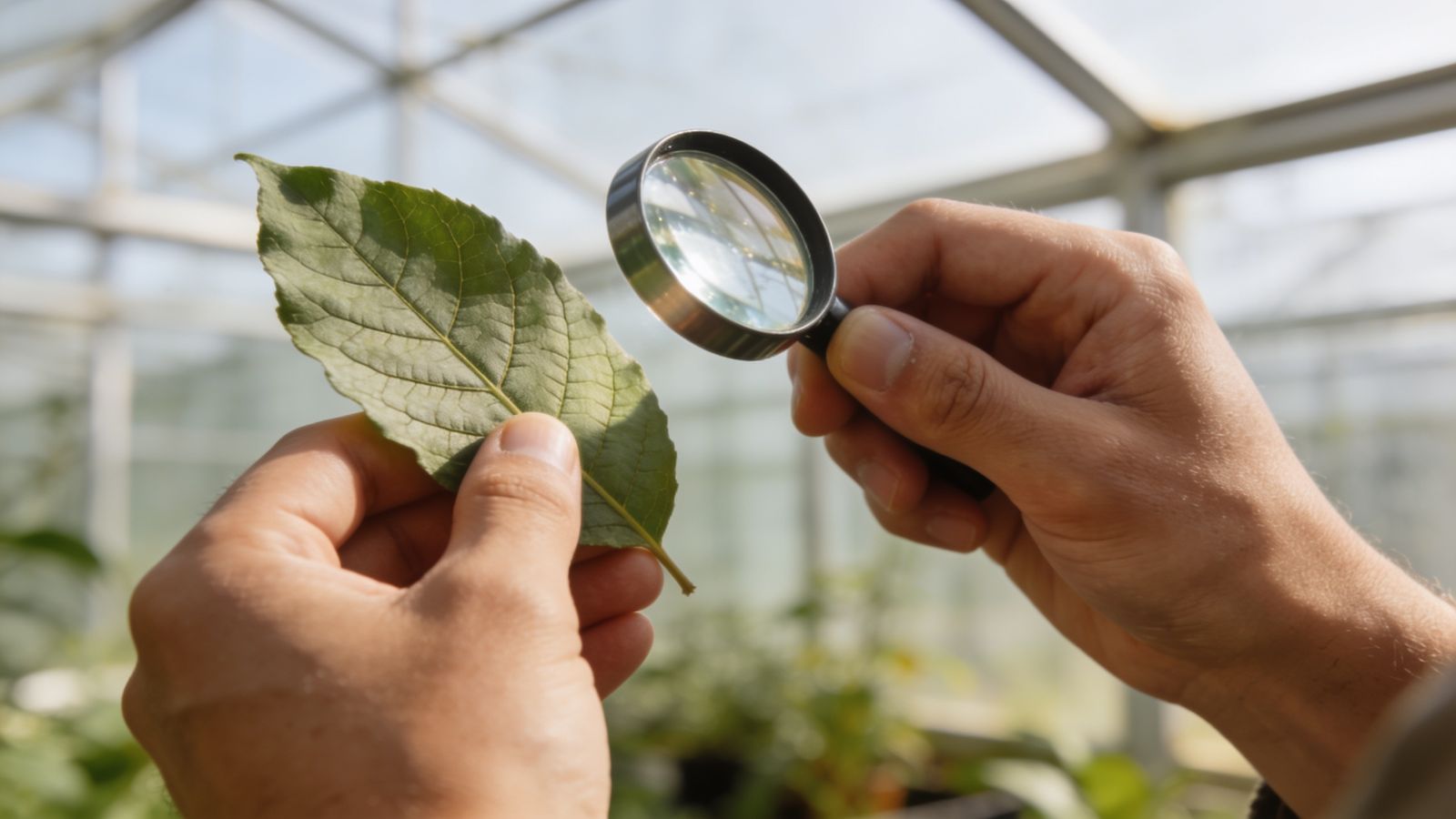
Agricultural research has historically leaned toward optimizing conventional, chemical-input farming — it's a well-funded, well-studied field with decades of trial data behind it. Organic methods have received comparatively less research investment, which shapes what we can and can't say with confidence.
One area that's genuinely under-researched: exactly how much synthetic pesticide residue typically remains on conventionally grown produce by the time it reaches a store shelf, and how that compares crop by crop. It's a reasonable question with surprisingly incomplete answers across many food categories.
What is well established is the basic logic: food grown without synthetic pesticide inputs can't carry synthetic pesticide residue from that farm's own practices (residue can still arrive via water, soil, or neighboring farms, which is why buffer zones are part of the organic standard). Beyond that logical floor, claims about health outcomes require more rigorous, long-term study than the field currently has.
The honest position is a modest one: organic farming reduces certain categories of exposure by design, and the research on downstream health effects is still developing rather than settled either way.