Protecting Your Skin with Organic Skin Care
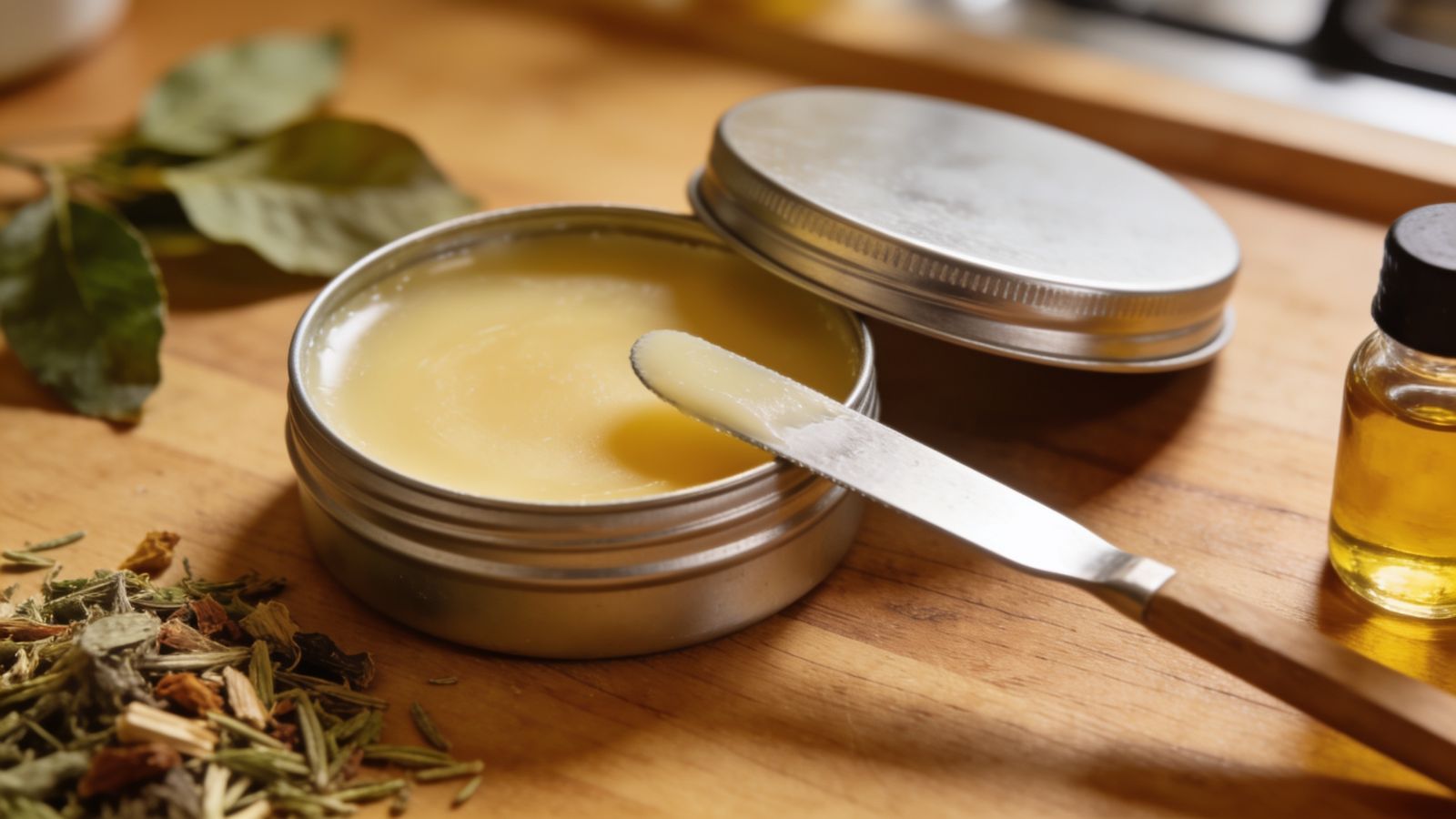
Skin does more work than most people give it credit for — it's a barrier against injury and dehydration, a sensory organ, and a factor in temperature regulation, all at once. It's also the largest organ in the body, and one of the few that's in constant, direct contact with whatever you put on it.
That's the practical case for paying attention to skin care ingredients the same way you might scrutinize a food label. Synthetic fragrances, certain preservatives, and some surfactants common in conventional formulations can be irritating for sensitive skin, and absorb into skin at some level with regular use.
Organic skin care standards address that directly — no synthetic pesticides in how plant-based ingredients were grown, and a defined list of what can and can't be used in the finished formulation. That doesn't automatically make a product effective (formulation and concentration still matter more than any single buzzword), but it does narrow the field to ingredients grown and processed under real oversight.
A reasonable place to start: look at the same categories you'd re-examine in your diet — daily-use products first (moisturizer, cleanser) before specialty items you use rarely.